DMSO (dimethyl sulfoxide) has one of the more unusual reputations in natural health: it’s a genuinely FDA-approved treatment for one specific condition, an ingredient in countless home remedies for everything from joint pain to sinus congestion, and a compound that requires real safety knowledge before you use it — because the wrong grade of DMSO, bought from the wrong source, can cause real harm. This guide pulls together what DMSO actually is, what it’s approved and commonly used for, how to use it safely, and links out to our more detailed, condition-specific reviews for anyone who wants to go deeper on a particular use case.
What Is DMSO?
DMSO is a byproduct of wood pulp processing, discovered in the 1800s and studied for medical use since the 1960s. Its defining chemical property is that it’s an extremely strong solvent that also penetrates skin and biological membranes unusually well — which is exactly why it’s used both as an industrial solvent and, in purified pharmaceutical-grade form, as a way to carry itself (and potentially other substances) through the skin and into the bloodstream. That membrane-penetrating property is the whole reason DMSO is interesting medically, and it’s also the reason sourcing and grade matter so much, which we cover in detail below.
A Brief History of DMSO
DMSO was first identified in 1866, but it wasn’t until the 1960s that Dr. Stanley Jacob, a researcher at the University of Oregon, discovered its ability to penetrate skin and began studying its medical applications extensively. This research led to a wave of enthusiasm in the 1960s and 70s, some early regulatory setbacks (including a temporary halt to human trials in 1965 after unrelated animal studies raised questions later determined not to apply to typical human topical use), and eventually the narrower FDA approval for interstitial cystitis that stands today. That history — genuine scientific interest followed by a more limited regulatory outcome than early researchers hoped for — is part of why DMSO occupies its unusual space between “well-studied compound” and “unapproved for most of its popular uses.”
Medical-Grade vs. Industrial-Grade DMSO: The Most Important Safety Distinction
This is the single most important thing to understand before using DMSO for any purpose. DMSO sold for industrial use (as a paint stripper or degreasing solvent, for example) is not purified to the same standard as pharmaceutical or “USP-grade” DMSO, and it can contain contaminants that you do not want absorbed through your skin, especially given how effectively DMSO carries whatever is dissolved in it into your bloodstream. Only ever use DMSO that is explicitly labeled USP-grade or pharmaceutical-grade and sold specifically for topical or medical use. Because DMSO increases absorption of whatever else is on your skin at the time, it’s also important not to apply it over lotions, sunscreen, insect repellent, or other topical products, and to apply it to clean, product-free skin.
What DMSO Is Used For
The One FDA-Approved Use: Interstitial Cystitis
DMSO’s only FDA-approved medical use is as a prescription treatment (brand name Rimso-50) instilled directly into the bladder by a doctor for interstitial cystitis, a chronic bladder pain condition. This is worth stating clearly because it’s the one use of DMSO with genuine regulatory approval behind it, distinct from every other use discussed below, which falls into the “widely used, not FDA-reviewed for this purpose” category. Read more in our Interstitial Cystitis review.
Pain, Inflammation, and Muscle Soreness
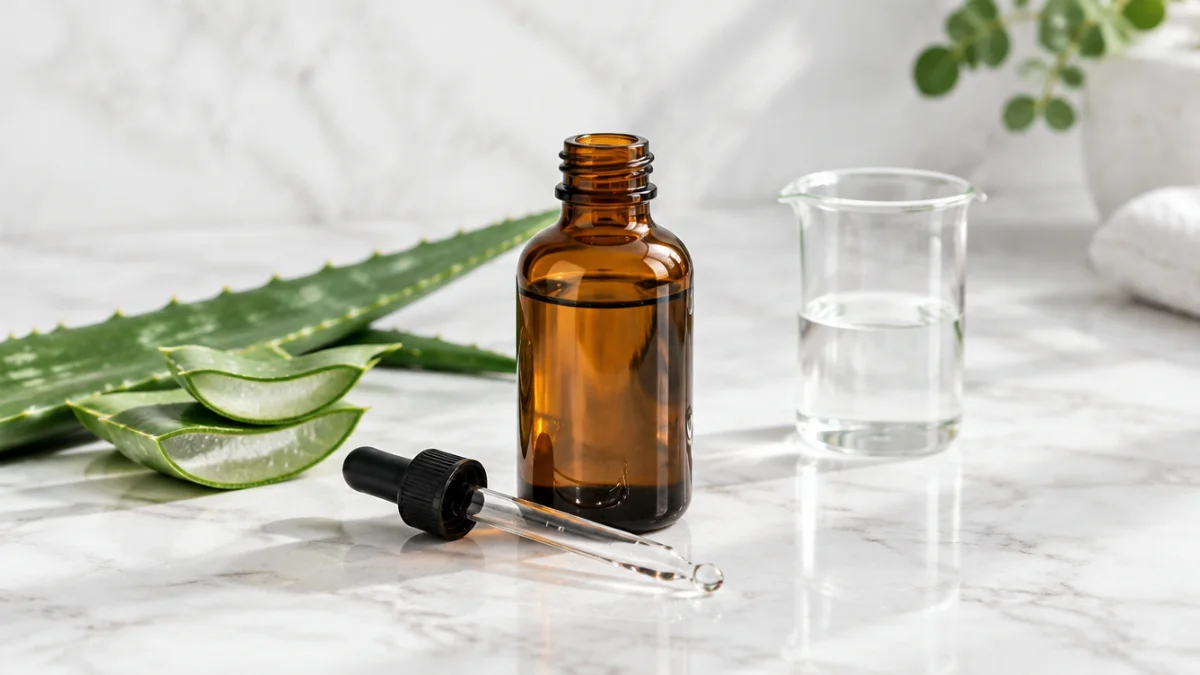
The most common home use of topical DMSO is for muscle and joint pain, arthritis, and general inflammation — applied directly to the skin over the painful area, typically diluted with water or aloe vera gel to reduce skin irritation. See our in-depth guides on DMSO for pain relief, joint pain, arthritis, and back pain specifically.
Skin and Topical Applications
Some people use heavily diluted DMSO on the skin for various cosmetic and topical purposes, though this requires particular caution given DMSO’s ability to carry other ingredients into the bloodstream through the skin. See our DMSO for face guide and DMSO with aloe vera for a gentler, commonly recommended combination.
Circulatory and Sinus Uses
DMSO is also used by some for varicose veins and, less commonly, for sinus congestion. These are less studied applications than the pain-relief use case above. See our DMSO for varicose veins and DMSO for sinus infection guides for the specifics.
What the Research Actually Shows
It’s worth being direct here, the same way we are in our other supplement guides: outside of the approved interstitial cystitis treatment, DMSO’s benefits for other uses “are not well defined,” to borrow the phrasing used by major medical reference sources. That doesn’t mean it doesn’t help people — DMSO has a long history of anecdotal use for pain and inflammation, and its solvent/carrier properties are well-established chemistry, not a mystery. But it does mean the evidence for most of its popular uses is thinner than the evidence behind the one use it’s actually approved for. Treat DMSO as a well-studied compound with one clearly proven medical application and several widely used but less rigorously tested ones, rather than as a cure-all.
Common Myths and Misconceptions
“DMSO is toxic and dangerous.” Pharmaceutical-grade DMSO used appropriately (diluted, on clean skin, patch-tested) has a long safety record for its approved use and widespread anecdotal use. The real danger comes from using industrial-grade or contaminated product, not from the compound itself when properly sourced and used.
“If a little works, more works better.” Higher concentrations increase skin irritation risk without necessarily improving results. Starting diluted and increasing gradually, per label instructions, is the standard recommendation.
“DMSO cures any condition it’s used for.” As covered above, only the interstitial cystitis use has FDA approval and a solid clinical evidence base. Treat other popular uses as widely practiced but not rigorously proven.
Forms of DMSO
- Liquid: The most concentrated and versatile form, typically diluted before use. See our liquid DMSO review for a specific product breakdown.
- Gel/Roll-on: Pre-diluted and easier to apply to a specific area without measuring, at the cost of less control over concentration. See our recommended DMSO roll-on here.
- Cream (often with aloe vera): Gentler on skin and a common recommendation for beginners or sensitive skin, as covered in our DMSO with aloe vera guide.
- Why Don’t Natural Remedies Have Clinical Trials? The Real Reason Isn’t Science
How to Use DMSO Safely
- Only use USP or pharmaceutical-grade DMSO sold specifically for topical/medical use — never an industrial-grade or unlabeled product.
- Do a patch test first. Apply a small diluted amount to a small area of skin and wait 24 hours to check for a reaction before wider use.
- Dilute appropriately. Many people use it diluted to roughly 50-70% with water or aloe vera gel rather than at full strength, which reduces skin irritation.
- Apply to clean skin only — no lotion, sunscreen, makeup, or other topical products in the area, since DMSO will carry them into your bloodstream along with itself.
- Expect a garlic-like taste/odor on your breath shortly after application — this is a normal, well-documented effect of DMSO entering your system, not a sign something is wrong.
- Wash your hands immediately after applying, and use gloves if applying to someone else, to avoid absorbing it yourself.
Side Effects and Who Should Avoid DMSO
Common side effects include dry, red, or irritated skin at the application site; a garlic-like taste or body odor; and mild stomach upset. More serious (though less common) reactions can include allergic responses like difficulty breathing, rapid heartbeat, throat swelling, or hives, which warrant stopping use and seeking medical attention immediately.
DMSO should be avoided or used only under medical supervision by anyone who is pregnant or breastfeeding (effects are not well studied in these groups), anyone with kidney or liver problems, and anyone currently using other topical medications in the same area, due to the absorption-boosting effect described above. As always, check with a doctor before starting if you have an existing health condition or take regular medication.
Frequently Asked Questions
Is DMSO FDA-approved?
Yes, but only for one specific use: prescription treatment of interstitial cystitis, administered directly into the bladder by a doctor. Topical use for pain, skin, or other purposes is widespread but not FDA-reviewed for those uses.
Why does DMSO cause a garlic taste?
Once absorbed through the skin, DMSO is partly metabolized into dimethyl sulfide, which your body releases through breath and skin, producing the characteristic garlic-like smell and taste. This is a normal, expected effect, not a warning sign on its own.
Can I use industrial DMSO from the hardware store?
No. Industrial-grade DMSO is not purified to the standard required for use on skin and can contain contaminants. Only use DMSO explicitly labeled USP or pharmaceutical grade for topical/medical use.
How diluted should DMSO be for topical use?
Many users start around a 50-70% dilution with water or aloe vera gel rather than applying it at full strength, which reduces the risk of skin irritation. Specific products often include their own dilution guidance on the label.
Prefer a hemp-infused topical blend instead? Herbal Mana’s Hemp DMSO 5000mg combines DMSO with hemp extract in one product – check their page for current pricing and lab results.